How do humans design trust and order
within complex, uncertain systems?
複雑で不確実な世界に、人間はいかにして
秩序と信頼を設計するか。
I've spent more than twenty years in derivatives — and somewhere along the way, I was in it completely. Since joining J.P. Morgan in 2003, I worked the futures and options front office: brokerage, electronic-trading sales, algorithmic and high-frequency trading, covering everyone from large institutional investors to asset managers and hedge funds. When the Lehman crisis hit, I moved my center of gravity to the thing that keeps derivatives safe at scale — clearing. Since then I've followed the whole clearing ecosystem: market structure, regulation, infrastructure design, risk management, onboarding. Today I head the Futures, Clearing and FX Prime Brokerage business at Citi in Japan.
Japan's yen rates market has finally become interesting. Derivatives, cash, and repo markets are knitting tightly together, drawing investors from around the world. I want to help make this yen-rates ecosystem better still.
That ecosystem is where my focus has settled in recent years — and beneath it sits a single question: how do people design trust and order within complex, uncertain systems?
The question probably traces back to where I started: founding a company in the dot-com era. I built it with everything I had, fell short, and watched the dream end with the bubble's collapse. But it has stayed with me ever since, resurfacing in both my work and my writing. A specialist book on derivatives clearing, a speculative novel on artificial intelligence and consciousness (The Sea of Ālaya-vijñāna), essays on market infrastructure, AI, and the design of trust — perhaps they all lie along the same line of inquiry.
デリバティブの世界に二十年超。気がつけば、どっぷりと浸かっていた。2003年に J.P. Morgan に入社して以来、先物・オプションのフロントオフィスで、ブローカレッジ、電子取引セールス、アルゴリズム取引や HFT(高速頻度取引)に携わってきた。大口の機関投資家から資産運用会社、ヘッジファンドまで、さまざまなデリバティブ取引に向き合い、リーマン・ショックを境に、デリバティブの安全性を支える鍵——クリアリングへと重心を移した。以来、市場構造・規制・インフラ設計・リスク管理から導入まで、クリアリングのエコシステム全体を見続けている。現在は Citi で先物・クリアリング・FX プライムブローカレッジ部門の部長を務めている。
日本の円金利市場は、ようやく面白くなってきた。デリバティブ市場と現物市場、レポ市場が密接に結びつき、世界中の投資家を呼び寄せている。この円金利のエコシステムを、さらに良くしていきたいと願っている。
このエコシステムこそが、近年の私のフォーカスだ。複雑で不確実なシステムの中で、人はいかにして信頼と秩序を設計するのか——その問いが、いつも中心にある。
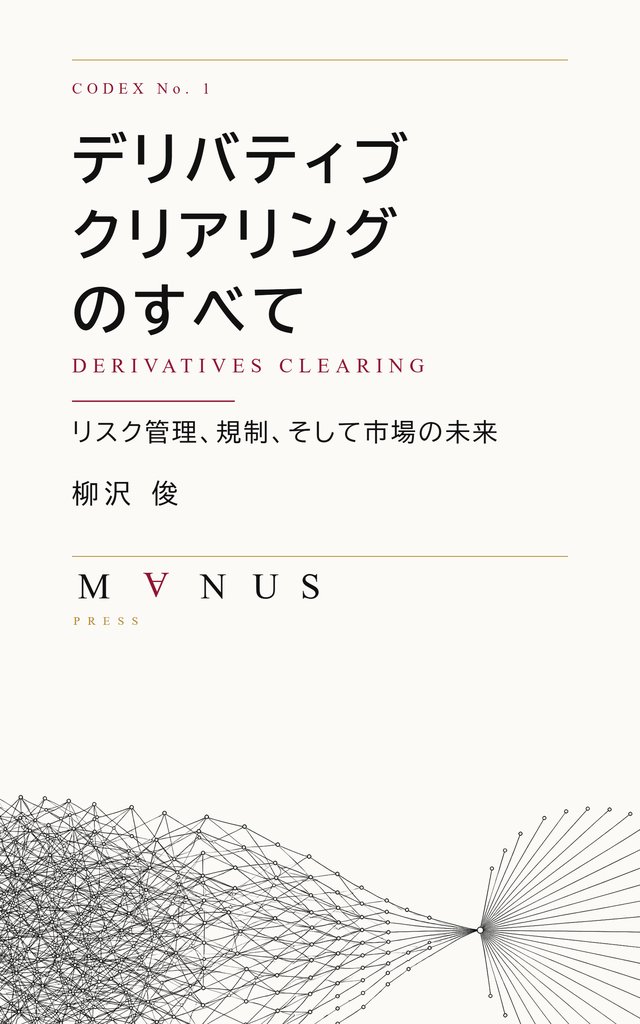
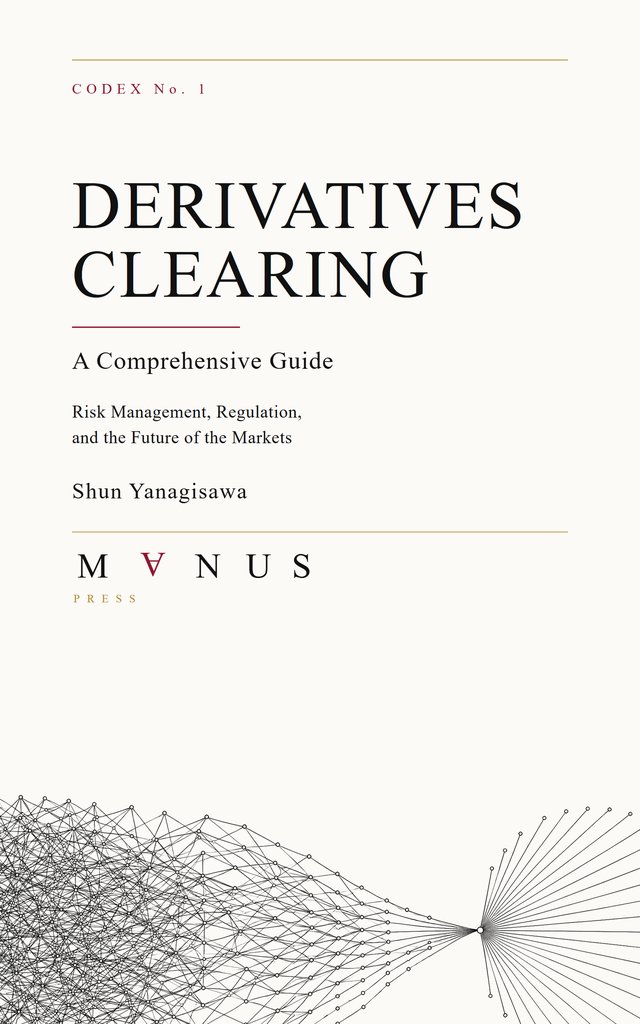
おそらくその原点は、ドットコム時代の起業にある。夢中で会社を立ち上げ、力及ばず、バブルの崩壊とともに夢は破れた。それでも、この根源的な問いは、いまも変わらず自分の中にある。実務でも執筆でも、同じ問いが繰り返し立ち上がってくる。専門書『デリバティブ・クリアリングのすべて』、人工知能と意識を主題とする長編SF『阿頼耶識の海』、市場インフラ・AI・信頼の設計をめぐるエッセイ——それらはみな、同じ問いの延長線上にあるのかもしれない。
The definitive Japanese-language reference on derivatives clearing. Drawing on twenty years at the frontline, this practitioner's handbook covers CCP architecture, margin mechanics, regulatory frameworks, and the future of Japan's clearing ecosystem.
デリバティブ清算を網羅する日本語初の本格専門書。CCP設計、マージンの力学、規制フレームワーク(バーゼルIII・EMIR・ドッドフランク)から日本市場の将来像まで、20年の実務から書き下ろした実務家向けCCPハンドブック。
Buy on Amazon → Amazonで購入 → 📖 Read Free Preview (Ch.1) → 序章・第1章を無料で読む →The English-language Introduction and Chapter 1 of the book, posted open-access to SSRN (138 pages). It treats clearing not as back-office processing but as critical market infrastructure — a strategic discipline — and introduces the central counterparty (CCP), the trade lifecycle, and the core risk-management apparatus.
書籍の英語版(序章・第1章、全138頁)を SSRN にオープンアクセスで公開。清算を単なる取引後の事務処理ではなく市場の重要インフラ=戦略的な専門領域として捉え、CCP(中央清算機関)、取引のライフサイクル、そして中核となるリスク管理の仕組みを提示する。
Read on SSRN → SSRN で読む →A speculative novel weaving together artificial superintelligence, Buddhist consciousness theory (ālaya-vijñāna), and quantum mechanics. Two protagonists navigate the emergence of post-human intelligence and the ethics of designed consciousness. Submitted to the 14th Hayakawa SF Prize (2026).
人工超知能、仏教心理学の阿頼耶識、量子力学(遅延選択実験・ホログラフィック宇宙論)を融合したSF長編。超人間的知性の台頭と、設計された意識の倫理をめぐる二人の主人公の物語。第14回早川SFコンテスト応募作(2026年)。
Occasional essays on market infrastructure, AI, and the design of trust — bilingual, written without an algorithm to please.
市場インフラ、AI、そして信頼の設計について — 不定期、英日二言語のエッセイ。
I governed my own AI development like a company — six roles, written reports, a board. A smarter model folded the whole thing into a single head. Which parts of an organization are a prosthetic for weak intelligence, and which are closer to physics?
自分のAI開発を会社そっくりに統治していた——六つの役割、報連相、諮問。賢くなったモデルが、それを一つの頭に畳んだ。組織のどこが「知能不足の補装具」で、どこが物理に近い制約なのか。一度、外して測ってみた。
Your note-taking tools never stuck — and it wasn't your discipline. What was missing was classification itself, and a second kind of order: the kind that emerges from what you write and keeps its own shape.
ノートツールが続かなかったのは、整理能力のせいではない。欠けていたのは分類そのもの——そして、書いたものから立ち上がって自分で形を保つ、もう一種類の秩序だった。
AI began with words — the easy part. The hard part was always the limbs. The brain does not pilot them; they fit the physics on their own. That is where what Japan still holds may yet matter.
AIは言葉から始まった——易しい側だ。難しいのは、いつも手足だった。脳は手足を操縦せず、手足が自分で物理を擦り合わせる。日本がまだ手に持つものが効くとすれば、そこだ。
Cancel anytime; swap a person for an AI. As the cost of leaving falls toward zero, the scarce thing becomes the bond you could have fled — and didn't.
キャンセルはいつでも、相手はAIに替えられる。立ち去る代償がゼロに近づく世界で希少になるのは——逃げられたのに、逃げなかった関係のほうだ。
When knowledge becomes a commodity, options multiply — but the means to choose well stay unevenly held, and even free cash can't quite hand them out. A trace from the cost disease to redistribution.
知識がコモディティになると選択肢は増える。けれど、よく選ぶための資源は偏ったまま握られ、現金を配るだけでは行き渡らない。コスト病から再分配までをたどる。
Will AI take my job? The worry is fair. But the work is quietly dividing along how you pair with AI — and which pairing fits depends not on temperament, but on the cost of a mistake.
AIに仕事を奪われるのか。その不安は当然だ。ただ起きているのは、人とAIの組み方に沿って仕事が静かに分かれていくこと。どの型が向くかは気質ではなく、誤りの代償で決まる。
As AI gets better, its mistakes get harder to see. On the jagged frontier, why obvious error was a safety net, and why accuracy does not retire the checker — it raises their price.
AIが上手くなるほど、その間違いは見えにくくなる。ぎざぎざの辺境、目立つ誤りが安全装置だったこと、そして精度は確かめる人を不要にせず、その価値を上げること。
AI commoditises the surface and concentrates the floor. On reading the power of AI from the bottom of the stack, why it rhymes with the medieval manor, and why freedom is not owning the land but being able to move.
AIは表層をコモディティ化し、底に力を集める。スタックの底から権力を読むこと、中世荘園との同型、そして自由とは所有でなく移れることをめぐって。
AI gives the hours back. The mistake is to spend them earning more hours. On the productivity trap, the taxi driver and the white-collar road, and why the power to learn is what rises in value.
AIは時間を返してくれる。間違いは、それをさらに時間を稼ぐために使うこと。生産性の罠、タクシー運転手とホワイトカラーの道、そして学ぶ力こそが値を上げること。
In the age of free knowledge, value lives in structure, not content. On Alexandria, why an LLM predicts language while an expert predicts results, and the bitter lesson.
知識が無料になる時代、価値は内容でなく構造に宿る。アレキサンドリア図書館、LLMは言語を・専門家は結果を予測すること、そして苦い教訓。
What is "liquidity", really? Why Japanese rates were frozen, the inflation–rates link, the plumbing of collateral and clearing — and trust as what moves under stress.
「流動性」とは何か — なぜ円金利は凍結されていたのか、インフレと金利、担保・清算の配管、そして信頼=ストレス時に動かせるもの。
What is quality in learning? On price, bounded time, leisure in its original sense (skholē), and the quality of friction — notes from a week at HBS.
学びの質とは何か — 価格・拘束・本来の意味でのレジャー・摩擦の質をめぐる、HBS での一週間の覚書。
| Date日時 | Event / Topicイベント・テーマ | Role役割 |
|---|---|---|
| May 20262026年5月 |
Clearing, Collateral & the Cost of Hedging in Volatility: JGB Scarcity, Margin & Repo Reality
クリアリング、担保、そして円変動リスクヘッジのコスト:JGB希少性・マージン・レポの現実
Risk Live Japan 2026 · Financial Risk & Capital Strategy · Tokyo · Programme →
Risk Live Japan 2026 · 金融リスクと資本戦略 · 東京 · プログラム →
YCC post-transition margin model impacts · IM/VM burdens on regional banks · Collateral scarcity and transformation services · Clearing strategies to reduce liquidity strain
YCC移行後の証拠金モデルへの影響 · 地方銀行へのIM/VM負荷と二極化リスク · 担保不足と担保転換サービスの役割 · 流動性負担軽減のためのクリアリング戦略
|
Panelistパネリスト |
| Jan 20262026年1月 |
Spotlight on Japan Rates Markets日本金利市場の現在と展望
FIA Japan New Year Panel · TokyoFIA Japan 新年パネル · 東京
|
Moderatorモデレーター |
| Jan 20262026年1月 |
Yen Rates Markets — Two-Way Flow Returns After 20 Years円金利市場 — 20年ぶりの双方向フロー回帰
JPX Panel · Ministry of Finance, Buy-side, Sell-side & Exchange Representatives · TokyoJPXパネル · 財務省・バイサイド・セルサイド・取引所代表参加 · 東京
|
Moderatorモデレーター |
| 20252025年 |
JSCC Agency Repo Clearing — Structure & Market ImpactJSCCエージェンシーレポクリアリング — 構造と市場への影響
JSCC / Industry Workshop · TokyoJSCC 業界ワークショップ · 東京
|
Panelistパネリスト |
| 20252025年 |
Cross-Product Margining: Repo, IRS & Listed Futuresクロスプロダクト・マージン:レポ・IRS・上場先物
FIA Japan Conference · TokyoFIA Japan コンファレンス · 東京
|
Panelistパネリスト |
| 20242024年 |
FIA Japan Board Meeting with CFTC ChairmanFIA Japan 理事会 — CFTC委員長との意見交換
FIA Japan · Guest: CFTC Chairman Rostin BehnamFIA Japan · ゲスト:CFTC委員長 Rostin Behnam氏
|
Hostホスト |
| 20242024年 |
Japan Derivatives Markets Forum (200 delegates)日本デリバティブ市場フォーラム(参加者200名)
JPX · FIA Japan · Guest: CFTC Commissioner Caroline Pham · TokyoJPX · FIA Japan主催 · ゲスト:CFTCコミッショナー Caroline Pham氏 · 東京
|
Organizerオーガナイザー |
| 20242024年 |
TONA Futures: Market Readiness and Clearing ConsiderationsTONAフューチャーズ:市場の準備状況とクリアリングの論点
JPX Seminar · TokyoJPX セミナー · 東京
|
Panelistパネリスト |
| 2024 |
Evolution of Japan's Derivatives Market — JSCC 10th Anniversary
JSCC 10th Anniversary Event · Tokyo
|
Panelist |
| 2024 |
OTC Derivatives Regulatory Reform in Japan
ISDA Japan Annual Symposium · Tokyo
|
Panelist |
| 20232023年 |
CCP Resilience and Default Management in Asia-Pacificアジア太平洋地域におけるCCPの強靭性とデフォルト管理
Citi Global Markets Forum · Tokyo / SingaporeCiti グローバル・マーケッツ・フォーラム · 東京 / シンガポール
|
Speakerスピーカー |
| 20232023年 |
JGB 20-Year Futures: Clearing Structure and AdoptionJGB20年先物:清算スキームと市場普及
JPX / FIA Japan Joint Seminar · TokyoJPX / FIA Japan 合同セミナー · 東京
|
Panelistパネリスト |
| Oct 20192019年10月 |
The Path to Post-Trade Efficiencyポストトレード効率化への道筋
ISDA Annual Japan Conference · TokyoISDA 年次日本会議 · 東京
|
Panelistパネリスト |
| Oct 20192019年10月 |
IBOR Reforms and Implementation Across Key VenuesIBOR改革と主要市場での実装
Citi Derivatives Conference · TokyoCiti デリバティブ・コンファレンス · 東京
|
Moderatorモデレーター |
| Sep 20192019年9月 |
OTC Derivatives Clearing & Collateral ManagementOTCデリバティブ・クリアリングと担保管理
TNF Japan Market Seminar · TokyoTNF 日本市場セミナー · 東京
|
Moderatorモデレーター |
| Jul 20192019年7月 |
The Transition and Future State of Post-Trade Operationsポストトレード業務の移行と将来像
Tokyo Financial Information & Technology Summit · Tokyo東京フィナンシャル・インフォメーション&テクノロジー・サミット · 東京
|
Panelistパネリスト |
| Oct 20182018年10月 |
Clearing Incentives, Systemic Risk and Margining清算インセンティブ、システミックリスクと証拠金
ISDA Annual Japan Conference · TokyoISDA 年次日本会議 · 東京
|
Panelistパネリスト |
| 20152015年 |
Reviewing the Three Rs — Resilience, Recovery and Resolution: Global Policy Solutions for CCPsCCPの3R再考 — 強靱性・再建・破綻処理:グローバルな政策解決策
ISDA Annual Japan Conference · TokyoISDA 年次日本会議 · 東京
|
Panelistパネリスト |
| 2013–present2013年〜現在 |
Asia Risk Congress, ISDA Global Conferences, JPX Forums, Firm-hosted Seminarsアジア・リスク・コングレス、ISDAglobal、JPXフォーラム、自社主催セミナー等
Regular participation as speaker and panelist across regional and global forums国内外の主要フォーラムに継続的に登壇・パネル参加
|
Various多数 |
Selected engagements 2015–2027. Full history available on request.主要登壇実績 2015〜2027年。詳細な履歴はお問い合わせください。
Analysis of the landmark opening of JSCC to US investors following the CFTC No-Action Letter (September 12, 2025). Shun Yanagisawa is quoted on the strategic significance:
CFTCノーアクションレター(2025年9月12日)によるJSCC開放を受けた市場の歴史的転換を分析。柳沢俊がCitiの立場から、米国顧客向け初取引清算の実現と、円金利エコシステム全体にわたるグローバル市場アクセス戦略について語った。
In-depth analysis on the structural transformation of Japan's yen rates market, including:
BOJ政策正常化を受けた円金利市場の構造転換、CFTCノーアクションレター(2025年9月)による米系ヘッジファンドのJSCC参入(Citadel・Millennium・ExodusPoint等65社)、米国SEC Treasuryレポマンデートが日系銀行に与える影響について詳述。円スワップ日次清算量8倍超(229兆円、2025年)、非居住者シェア65%(2025年Q4)などの具体的データを提供。
Quoted on liquidity dynamics at JSCC vs. LCH, US client onboarding timeline, and the competitive advantage of JSCC's diverse buy-side ecosystem — particularly in the 20–30 year tenor range.
JSCCとLCHの流動性比較、米国顧客オンボーディングの時系列、20〜30年ゾーンにおけるJSCCの競争優位について直接コメント。
Quoted on the introduction of VAR-based initial margin for exchange-traded derivatives — its role in mitigating margin fluctuation, providing efficiencies for correlated products, and ensuring stability in low-volatility environments.
上場デリバティブへのVAR方式初期証拠金導入について、相関商品の効率性、低ボラ環境での安定性の観点から直接コメント。
Referenced as a senior US bank voice in the analysis of LCH's renewed bid for a JFSA licence, global CCP competition, and the CFTC regulatory reform debate around US client access to JSCC.
LCHのJFSAライセンス再申請、グローバルCCP競争、JSCCへの米国顧客アクスをめぐるCFTC規制改革論議において、米系銀行の代表的見解として参照された。
Quoted on Citi's first US client trade cleared on JSCC and the strategic importance of a holistic, agnostic market access platform across the full yen rates ecosystem.
JSCCでの米国顧客向け初取引清算と、円金利エコシステム全体にわたるアクセスプラットフォームの戦略的意義について直接コメント。
Contribution to FIA Japan's annual review of listed derivatives market developments, regulatory trends, and infrastructure evolution in Japan.
Active member of ISDA Japan's OTC Derivatives Regulations Working Group, contributing to regulatory policy development and market practice standards.
All Risk.net articles available at risk.net · FOW articles at fow.com (subscriptions required)
The same question that drives my work in clearing infrastructure — how humans design trust and order within complex, uncertain systems — applies with equal force to family wealth stewardship.
クリアリングインフラで問い続けてきた問い—— 「複雑で不確実な世界に、人間はいかにして秩序と信頼を設計するか」——は、 家族資産の運営においても同じ力で働く。
A family office is not primarily an investment vehicle. It is a governance architecture: who decides what, who holds which information, and how that knowledge survives the people who created it.
ファミリーオフィスは本質的に、投資の器ではない。 誰が何を決め、誰がどの情報を持ち、 その知識がどう次の世代へ渡るかを設計する、 ガバナンスの構造体である。
Japan's private wealth ecosystem lacks this operational layer. The gap is not in investment products. It is in structured operations, governance design, and succession readiness — the unglamorous infrastructure that determines whether a family's wealth outlasts the generation that built it.
日本のプライベートウェルスにはこの運営レイヤーが薄い。 欠けているのは投資商品ではなく、構造化された運営・ ガバナンス設計・承継への準備—— 家族の富が、それを築いた世代を超えて生き残れるかどうかを 決める、地味だが本質的なインフラである。
This is the same design problem I encounter in clearing: building systems that hold when the humans who built them are no longer in the room.
これは、クリアリングで向き合ってきた設計問題と同じ構造を持つ。 それを作った人間がもはやその場にいないときでも、 機能し続けるシステムをどう設計するか。
Available for speaking engagements, media enquiries, academic collaboration, policy discussions, and research partnerships. Particularly interested in connecting with practitioners and researchers working at the intersection of market infrastructure, regulation, and systemic design.
講演・メディア取材・学術連携・政策討議・研究パートナーシップのご依頼を受け付けています。市場インフラ・規制・システム設計の交差点で活躍する実務家・研究者との連携を歓迎します。
Connect on LinkedIn →Willow Asset Management LLC (WAM) is a private family office and investment vehicle, encompassing real estate SPVs across Tokyo, renewable energy (Willow Solar Ashikaga), and long-horizon portfolio strategy.
Willow Asset Management(WAM)は東京都内不動産SPV・再生可能エネルギー(Willow Solar足利)・長期ポートフォリオを統合するファミリーオフィスです。